Which Lifestyle Fits You Best?
Freehold vs Jersey Shore retirement living is a common decision for homeowners planning their next chapter in Monmouth County, especially for those seeking a balance between coastal access and everyday convenience. Freehold is often a strong fit for retirees who:
- Want to live near the Jersey Shore without seasonal congestion
- Prefer a central location close to family throughout Monmouth County
- Value healthcare access and everyday convenience
- Enjoy visiting the beach without structuring daily life around tourism
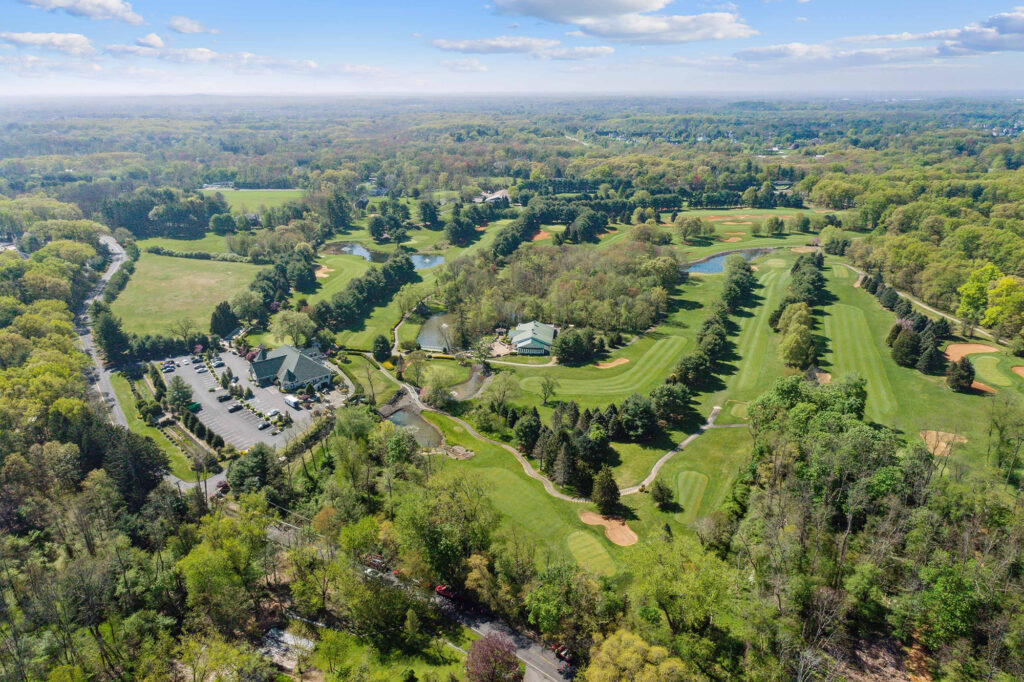
For many homeowners, Freehold offers coastal access without coastal compromises — a balance that becomes increasingly important in retirement.
As homeowners begin planning their next chapter in Monmouth County, the decision often comes down to how closely they want coastal living to shape their daily routines. Some retirees envision life directly in a shore town, while others prefer staying nearby without making the shoreline the center of everyday life.
Understanding the lifestyle differences between Freehold and living directly at the Jersey Shore can help retirees choose the environment that best supports their priorities, comfort, and long-term plans.
The Appeal of Living Close to the Jersey Shore
For many retirees, proximity to the ocean is a major draw. Being able to enjoy beach walks, coastal dining, and fresh ocean air brings a sense of relaxation that feels well earned after years of work and commuting.
Living near the Jersey Shore allows retirees to:
- Take advantage of beaches and boardwalks
- Enjoy seasonal events and waterfront restaurants
- Maintain a connection to coastal living without long-distance travel
For homeowners who have spent decades vacationing along the shore, staying nearby in retirement often feels like a natural next step.
What It’s Like to Live Directly in a Shore Town
Choosing to live directly in a shore town means fully embracing a lifestyle shaped by seasonality.
During the summer months, traffic and visitor volume increase significantly. Daily errands, medical appointments, and travel can take longer, especially on weekends. Some businesses adjust hours or operate seasonally, which can impact convenience year-round.
Homeownership along the coast also comes with additional considerations. Flood zones, insurance requirements, and long-term maintenance related to salt air and weather exposure are common factors retirees evaluate when planning ahead.
For retirees who enjoy energy, activity, and seasonal rhythms, shore-town living can be incredibly rewarding. For others, it’s a lifestyle best enjoyed regularly without living in the center of it.
Why Freehold’s Location Works for Many Retirees
Freehold offers retirees the ability to stay connected to the Jersey Shore while maintaining a more predictable, year-round lifestyle.
Located within an easy driving distance of Monmouth County beaches, Freehold allows residents to enjoy beach days, boardwalk walks, and coastal dining without dealing with daily tourist traffic at home.
Beyond its proximity to the shore, Freehold provides:
- A walkable downtown with consistent year-round activity
- Convenient access to shopping, dining, and everyday services
- A wide range of housing options for downsizing homeowners
For many retirees, this combination offers flexibility — coastal living when desired, and everyday ease the rest of the time.
Healthcare Access and Everyday Convenience
Access to healthcare often becomes increasingly important as retirees plan for the long term.
Freehold’s central location places residents near hospitals, medical offices, specialists, and outpatient facilities. Appointments and follow-ups are generally easier to manage without navigating seasonal congestion common in some coastal areas.
For retirees who value peace of mind and accessibility, as well as proximity to the ocean, this balance can be a deciding factor.
Cost Considerations: Living at the Shore vs. Living Near It
While both Freehold and Jersey Shore towns reflect New Jersey’s overall cost of living, how expenses appear can vary.
Living directly at the shore may involve:
- Higher home prices tied to ocean proximity
- Additional insurance and flood-related costs
- Increased maintenance over time
Freehold often offers more flexibility in housing types and price points, making monthly expenses more predictable for retirees downsizing.
For many homeowners, the decision isn’t about eliminating costs entirely, but about choosing where those costs feel more manageable in the long term.
Lifestyle Pace: Seasonal Energy vs. Year-Round Balance
The pace of daily life is another important distinction between these two retirement options.
Shore towns tend to follow a seasonal rhythm, with high energy in the summer and quieter winters. Some retirees enjoy this contrast and the sense of excitement it brings.
Freehold offers a steadier, year-round lifestyle. Downtown restaurants, local businesses, and community events operate consistently, creating a routine that many retirees find appealing while still allowing easy access to the coast.
Who Thrives Living Directly at the Jersey Shore?
Living in a shore town often suits retirees who:
- Want ocean proximity as part of everyday life
- Enjoy seasonal crowds and social activity
- Are you comfortable with coastal maintenance and insurance considerations
- Prefer a lifestyle closely tied to beach-town living
For the right homeowner, living directly at the shore can feel like a permanent retreat.
Final Thoughts: Freehold or the Jersey Shore?
Choosing between Freehold and the Jersey Shore for retirement ultimately comes down to how you want to experience coastal living.
Freehold allows retirees to remain within reach of the ocean while prioritizing convenience, accessibility, and year-round livability. Shore towns offer immersive coastal living for those who want the beach to shape daily life.
Both options offer distinct advantages. The best choice is the one that aligns with your lifestyle, comfort level, and long-term retirement vision in Monmouth County!



Leave a Reply